
Energy-Efficient Window Blinds for a Greener Home

Creating a greener home is a goal many people are striving for today. One of the simplest yet most effective ways to improve your home's energy efficiency is by choosing the right window coverings. Windows are a major source of heat loss in winter and heat gain in summer, so investing in sustainable window coverings can make a significant difference. This article explores how energy-efficient window blinds can help reduce your carbon footprint, save money on energy bills, and enhance your home's comfort.
The Importance of Sustainable Window Coverings
Sustainable window coverings are designed to reduce energy consumption by improving insulation and controlling sunlight. Unlike traditional curtains or blinds, these coverings use innovative materials and designs to trap air, block heat, and reflect sunlight. This means your home stays warmer in winter and cooler in summer without relying heavily on heating or air conditioning systems.
Choosing sustainable window coverings benefits the environment by lowering greenhouse gas emissions associated with energy production. It also benefits homeowners by reducing energy bills and increasing the lifespan of heating and cooling equipment. Additionally, many sustainable options are made from eco-friendly or recycled materials, further reducing environmental impact.
Benefits of Sustainable Window Coverings:
Improved thermal insulation
Reduced energy consumption
Lower utility bills
Enhanced indoor comfort
Eco-friendly materials and manufacturing

How Window Blinds Contribute to Energy Efficiency
Window blinds are more than just decorative elements; they play a crucial role in managing heat flow through windows. By adjusting blinds, you can control the amount of sunlight entering your home, which directly affects indoor temperature. For example, closing blinds during hot summer days can prevent overheating, while opening them on sunny winter days can provide natural warmth.
Certain types of blinds are specifically designed to improve energy efficiency. These blinds often feature honeycomb or cellular structures that trap air in pockets, creating an insulating barrier. This barrier reduces heat transfer, keeping your home warmer in winter and cooler in summer.
Moreover, blinds with reflective coatings or light-coloured surfaces can reflect sunlight away, reducing heat gain. Some blinds also offer blackout options that block light and heat completely, ideal for rooms that require darkness and temperature control.
Using energy-efficient window blinds can significantly reduce your reliance on heating and cooling systems, leading to lower energy consumption and a smaller carbon footprint.

What blinds are the most energy-efficient?
When it comes to energy efficiency, not all blinds are created equal. Some types outperform others in insulating your home and controlling heat flow. Here are the most energy-efficient blinds to consider:
1. Cellular or Honeycomb Blinds
These blinds have a unique honeycomb design that traps air in cells, providing excellent insulation. The air pockets act as a barrier against heat loss in winter and heat gain in summer. Cellular blinds are available in single, double, or even triple cell designs, with more cells offering better insulation.
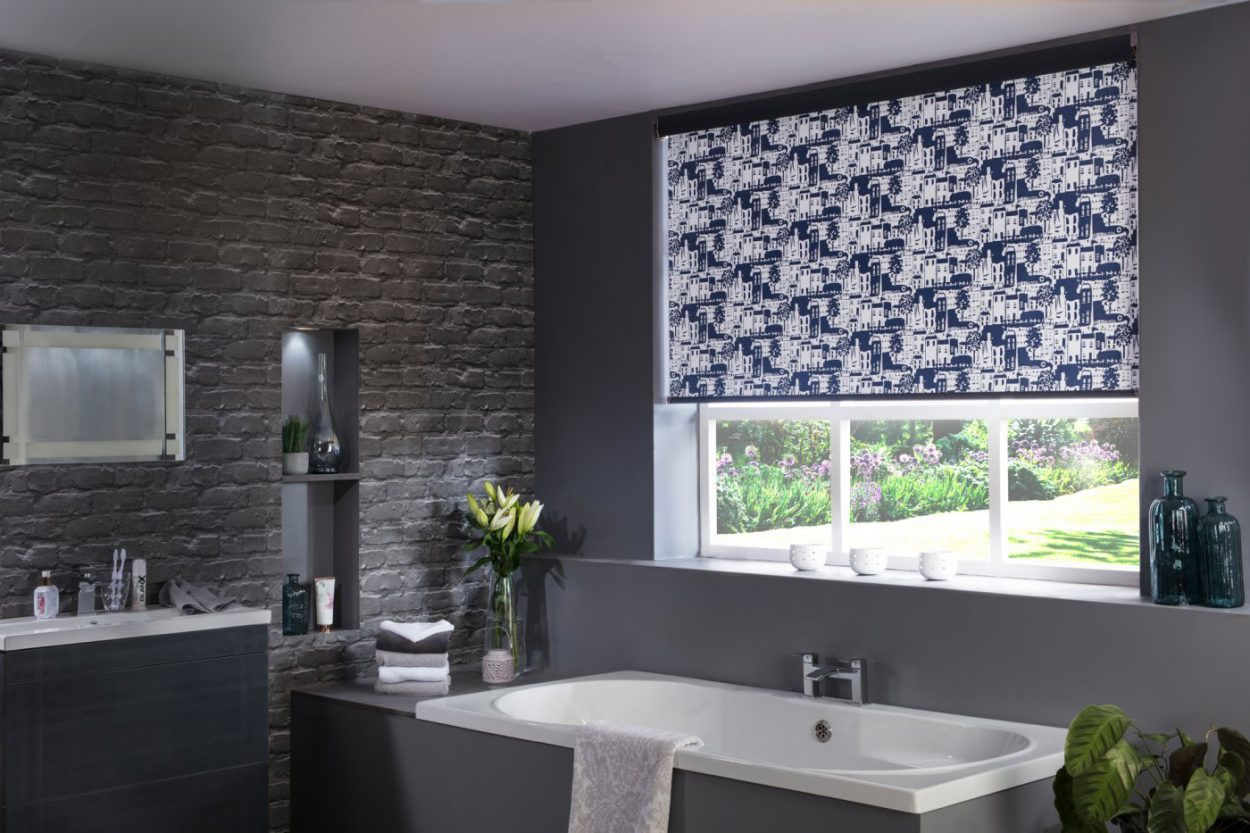
2. Roller Blinds with Reflective Backing
Roller blinds with a reflective backing can bounce sunlight away from your windows, reducing heat gain during hot months. They are simple to operate and come in various fabrics, including blackout options for maximum light and heat control.
3. Roman Blinds with Thermal Lining
Roman blinds can be fitted with thermal linings that add an extra layer of insulation. While not as effective as cellular blinds, they still help reduce heat transfer and improve energy efficiency.
4. Venetian Blinds with Aluminium Slats
Aluminium slats reflect sunlight and can be tilted to control light and heat. They are durable and easy to clean but offer less insulation compared to cellular blinds.
5. Wooden or Faux Wood Blinds
Wooden blinds provide moderate insulation and add a natural aesthetic. Faux wood blinds are more moisture-resistant and can also contribute to energy savings.
When selecting blinds, consider the climate, window orientation, and your specific needs for light control and privacy. Combining blinds with curtains or other window treatments can further enhance energy efficiency.

Practical Tips for Maximising Energy Efficiency with Window Blinds
To get the most out of your window blinds in terms of energy savings, follow these practical tips:
Use blinds strategically: Open blinds on sunny winter days to let in warmth and close them at night to retain heat. In summer, keep blinds closed during the hottest parts of the day to block heat.
Choose the right fabric and colour: Light-coloured blinds reflect more sunlight, helping to keep rooms cooler. Darker colours absorb heat and may be better suited for colder climates.
Combine blinds with curtains: Layering blinds with thermal curtains can improve insulation and reduce drafts.
Ensure a good fit: Blinds that fit snugly within the window frame prevent air leaks and improve insulation.
Maintain your blinds: Regular cleaning and maintenance keep blinds functioning properly and looking good, which supports their energy-saving performance.
By implementing these tips, you can enhance the energy efficiency of your home and enjoy greater comfort year-round.
Investing in Energy-Efficient Window Blinds for a Sustainable Future
Switching to sustainable window coverings is a smart investment for any homeowner looking to reduce energy consumption and environmental impact. While the initial cost of energy-efficient blinds may be higher than standard options, the long-term savings on energy bills and increased home comfort make them worthwhile.
Additionally, many energy-efficient blinds are made from sustainable or recycled materials, supporting eco-friendly manufacturing practices. Choosing these products helps reduce waste and promotes a circular economy.
When shopping for blinds, look for certifications or labels that indicate energy efficiency and sustainability. Consult with professionals to find the best options for your home’s specific needs.
By embracing sustainable window coverings, you contribute to a greener planet while enjoying a more comfortable and cost-effective living space.
This guide has provided an overview of how energy-efficient window blinds can transform your home into a greener, more sustainable environment. By selecting the right blinds and using them effectively, you can reduce your energy consumption, lower your bills, and help protect the planet.


Comments