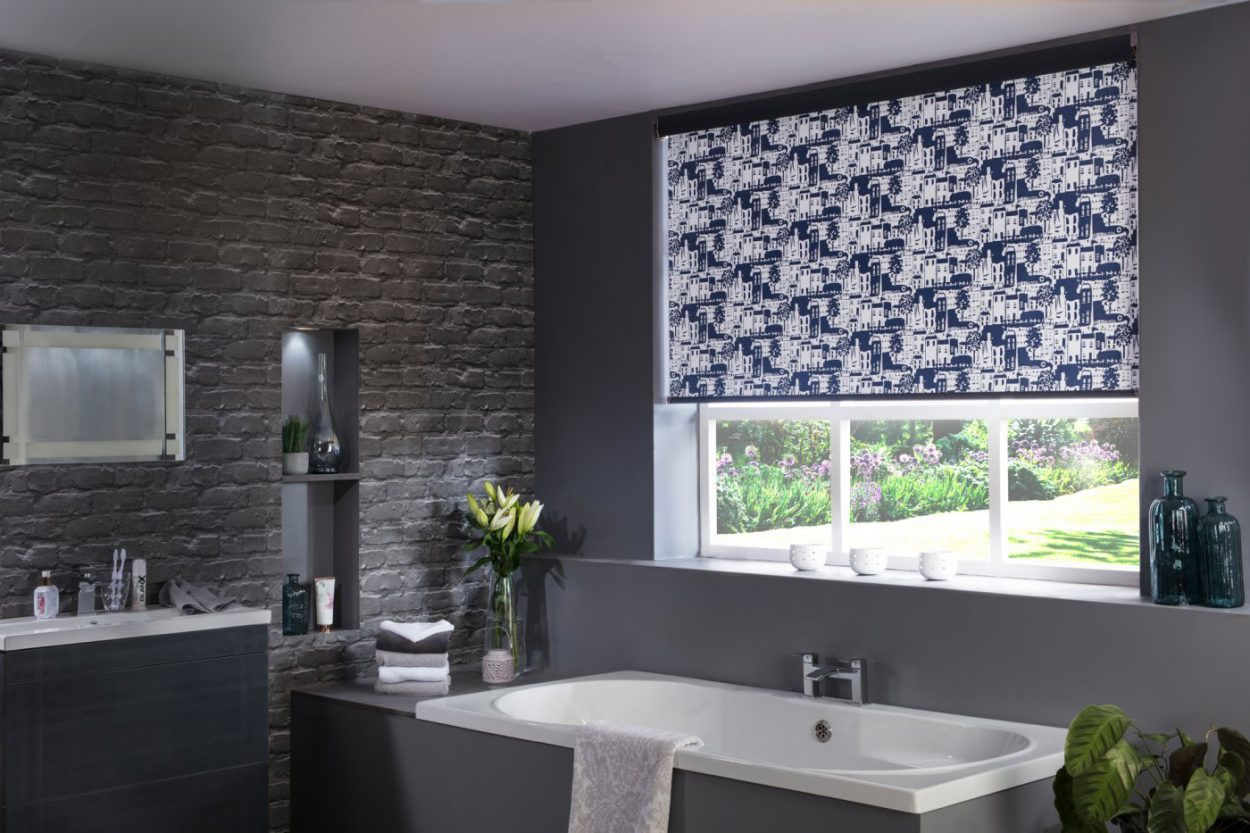


Website Optimization for Made-to-Measure Blinds in Bournemouth and Poole

Updated: Sep 4
Decorous Blinds supplies made-to-measure blinds and plantation shutters across Bournemouth, Poole, and wider Dorset. The public site names towns including Wimborne, Ferndown, Verwood, Ringwood, Christchurch, New Milton, Highcliffe, and Wareham, and describes roller, roman, and Venetian blinds in wood and aluminium, blackout and thermal options, and shutter styles such as full height, tier-on-tier, café, and bay. Free home measuring, professional fitting, and a five-year warranty appear on the site as published services. Website optimization for this business is the ongoing work of keeping those product, local, and enquiry pages accurate. It is not a generic ecommerce playbook, an automotive-parts tutorial, or a promise that “blinds Bournemouth” will climb on a schedule.
People searching in Poole for plantation shutters or in Bournemouth for blackout roller blinds are looking for a product they can picture in a room, a measuring visit, and a phone or form path that still works. Optimization supports that journey. It does not invent traffic charts or copy language from unrelated industries onto a window-coverings site.
SEO tools can help a small blinds team notice missing titles, broken internal links, thin local landing pages, and images without useful alt text. They organize attention. They do not replace showroom knowledge about fabrics, slat widths, or which shutter style suits a bay window.
Map every blind and shutter URL to one product story
Made-to-measure sites fail when every URL reads like a template. Decorous publishes distinct product families. Each family deserves its own opening paragraph, heading, and gallery—not a recycled block that swaps one product name for another.
Product family | What the page must say plainly | Common mistake |
Roller blinds | Fabric options, light control, room use | Copy pasted from roman blinds |
Roman blinds | Fold style, fabric drape | Same H1 as roller range |
Venetian — wood | Timber slat look, rooms suited to wood | “Venetian blinds” with no material |
Venetian — aluminium | Slim metal slats, wet-area suitability | Mixed with wood on one URL |
Blackout | Light blocking for bedrooms or media rooms | Invented energy-bill savings |
Thermal | Insulating layer as described on site | Vague “save money” claims |
Full-height shutters | Floor-to-ceiling plantation look | One paragraph for all shutter types |
Tier-on-tier | Independent upper and lower panels | Missing café or bay distinctions |
Café shutters | Lower-window privacy | Bay-window copy on a café page |
Bay shutters | Angled runs across a bay | Generic “shutters Dorset” only |
If measuring and fitting are free, say so where the site already says so. Do not add installation claims, response-time promises, or warranty details the company has not published. Optimization is alignment with what Decorous already tells customers—not embellishment.
Local pages for Bournemouth, Poole, and Dorset towns
Local intent on a blinds site is practical. Someone in Christchurch comparing plantation shutters wants to know the company serves their area and how to book a measure. Someone in Wareham reading about thermal roller blinds should not land on a page written for “window coverings nationwide” with no Dorset context.
A sensible local structure:
One clear service-area explanation that lists towns the company actually names.
Product pages that remain product-first; town names belong where the site already uses them, not stuffed into every image alt attribute.
A working enquiry path and the published phone number (01202 028106 as on the site).
No duplicate town pages with identical paragraphs—search engines and homeowners both treat that as noise.
When a local landing page exists for a Dorset town, its job is to connect area intent to measuring, fitting, and the blind or shutter ranges that page discusses. If two town URLs would say the same thing, merge the story into one stronger page rather than cloning text.
Measuring, fitting, and the enquiry path
For made-to-measure blinds, the website is often the step before a home visit. Optimization includes checking that:
The measuring and fitting offer still matches homepage language.
Forms and click-to-call paths resolve after CMS or menu edits.
Product pages link to enquiry or contact without sending visitors through unrelated blog categories.
Warranty copy stays consistent with the five-year warranty as published—do not extend or shorten it in SEO text alone.
A visitor who reads about bay shutters in Poole should be able to reach a measure request in two or three obvious clicks. Broken buttons and orphaned product URLs are optimization failures even when titles and meta descriptions look polished.
Images, galleries, and alt text on a photo-heavy site
Blind and shutter websites depend on room photography. After a range is discontinued or renamed, galleries often keep old thumbnails. Optimization maintenance means:
Alt text that names the product type and a believable room setting, not a list of every Dorset town.
Thumbnails that still open the correct product URL.
Captions that match the blind or shutter style shown—wood Venetian photography should not sit on an aluminium Venetian page.
File sizes reasonable enough for mobile without stripping descriptive alt text entirely.
When a new fabric or shutter colour launches, update the matching gallery before writing new blog posts about unrelated topics. Fresh product photography on stale URLs confuses both visitors and crawlers.
A quarterly optimization loop for a small blinds team
Pick one weekday each quarter. Walk the site in this order:
Homepage and primary navigation—do product families still match the menu?
Top product URLs—roller, roman, Venetian, blackout, thermal, each shutter style.
Local and service-area copy—town list still accurate?
Measuring, fitting, warranty, and contact paths—still working?
Gallery and internal links—any 404s after a range change?
Note three fixes, complete them, then stop. Rabbit SEO is a reasonable place to keep audits and page checks inside that loop. Neither replaces an in-home measure, and neither guarantees movement for competitive blind queries in Bournemouth or Poole.
What this work is not
It is not copying automotive catalogue examples onto shutters. It is not claiming rankings improved without measurement. It is not stuffing “blinds Dorset” into every heading until the site reads like spam. Optimization for Decorous Blinds means honest product names, working Dorset local pages, accurate measuring and fitting language, and maintained galleries—a site that still matches what the team sells and installs.
Frequently Asked Questions


Comments