
Window Blinds Guide Choosing Roller Venetian and Roman Shades for Every Room

A blind can change a room more than most people expect. It affects the light at breakfast, the privacy you have at night, the way a window frames the view, and even how finished the space feels. Choose well and the blind becomes part of the room. Choose badly and it either gets in the way, lets in too much glare, or looks like an afterthought.
The best choice is rarely just about colour. It comes down to how the room is used, how much privacy you need, the direction the window faces, and how much texture or softness you want in the decor. Roller blinds, Venetian blinds, Roman shades, vertical blinds, and other styles all solve slightly different problems.

Start with what the room needs from the blind
Before comparing styles, think about the job the blind must do. A bathroom window has different needs from a south-facing living room or a child’s bedroom.
The main questions are simple:
How much light should come in during the day?
Do you need privacy while still keeping the room bright?
Will glare hit a television, computer screen, or reading chair?
Is moisture a concern?
Does the room need a soft decorative finish or a clean practical one?
How easy should the blind be to clean?
Also look at the window itself. Wide patio doors suit different blinds from a narrow sash window. Deep recesses give more fitting options. Shallow frames may limit bulky fabrics or tracks.
For a tailored finish, made-to-measure blinds usually look better than ready-made options, especially on older properties where windows may not be perfectly square. This is one reason people search for Made to measure window blinds in Bournemouth and surrounding area when they want a neat fit rather than a close-enough size.
Roller blinds are simple, neat, and highly versatile
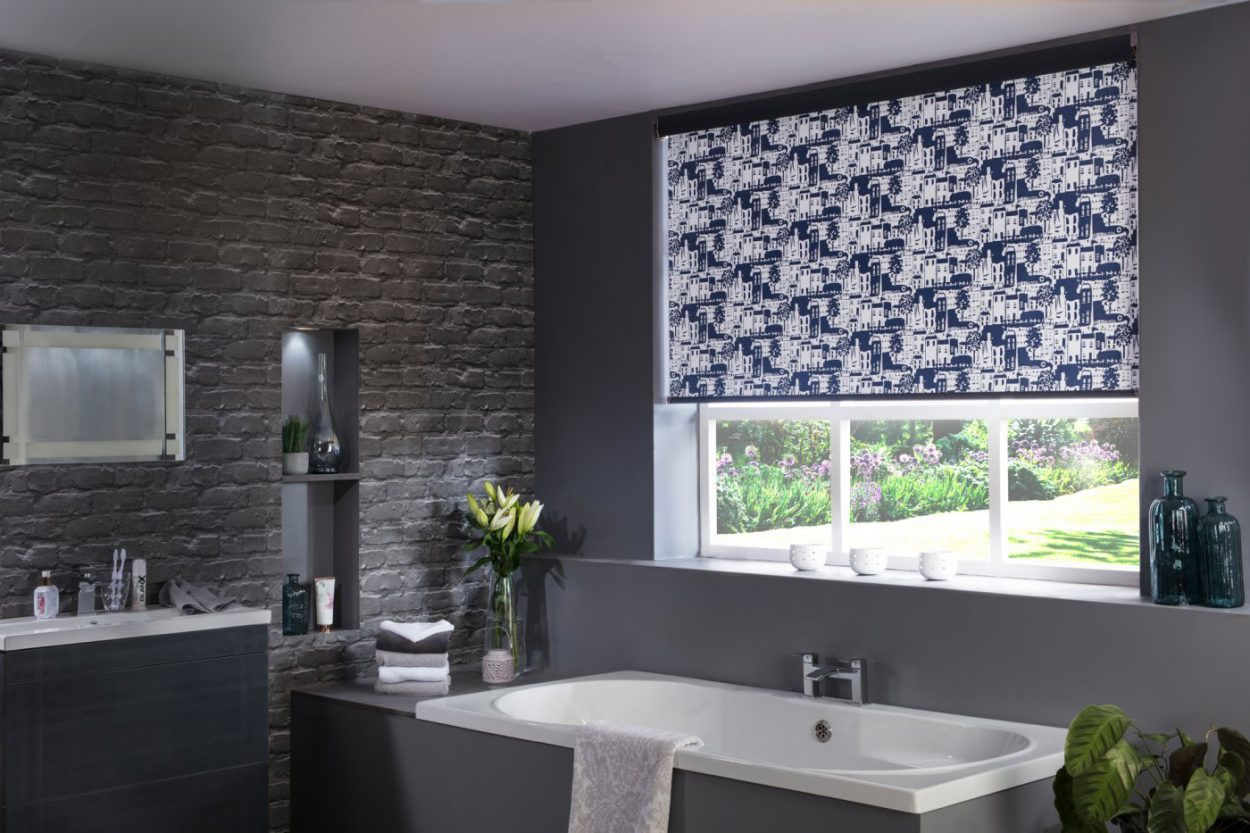
Roller blinds are one of the most popular choices for modern homes because they do exactly what most people need without adding visual clutter. A single sheet of fabric rolls up around a tube, giving a tidy look when raised and a flat, clean surface when lowered.
They work in almost any room, from kitchens and bathrooms to bedrooms and home offices. The key is choosing the right fabric.
Best benefits
Roller blinds are practical and understated. They suit small rooms because they do not take up much visual space. They also come in a wide range of finishes, including blackout, dim-out, moisture-resistant, and screen fabrics.
They are especially good when you want:
A crisp, minimal look
Easy daily operation
A budget-friendly option
Strong blackout performance in bedrooms
Moisture-resistant fabrics in bathrooms or kitchens
A blind that disappears when raised
A blackout roller blind can make a bedroom feel calmer and darker, though light may still leak around the edges unless the blind is fitted carefully or paired with curtains.
Main drawbacks
Roller blinds have fewer light-control options than slatted blinds. They are usually up, down, or somewhere in between. If you lower a standard roller blind for privacy, you also reduce daylight.
They can also look plain in formal spaces unless you choose a textured fabric, patterned design, or layer them with curtains. On very wide windows, some roller fabrics may need to be split into multiple blinds, which can create small gaps.
Where roller blinds work best
Use roller blinds in bedrooms, bathrooms, kitchens, utility rooms, and simple contemporary living spaces. They are also a strong choice for rental properties and busy family homes because they are easy to use and simple to maintain.
Venetian blinds give precise control over light and privacy
Venetian blinds use horizontal slats that tilt up and down. This makes them excellent for controlling privacy without blocking all daylight. They are available in aluminium, wood, and faux wood, each with a different feel.
Aluminium Venetians look sleek and lightweight. Wooden Venetians add warmth and texture. Faux wood Venetians handle moisture better, making them a good choice for steamy rooms.

Best benefits
Venetian blinds are all about control. You can tilt the slats to soften glare, protect privacy from the street, or direct light upwards towards the ceiling.
They are useful when you want:
Daytime privacy without making the room dark
Adjustable light direction
A smart, structured look
Good coverage for street-facing windows
A choice between metal, real wood, and faux wood
Wooden Venetian blinds can make a room feel more considered. They sit well with natural floors, painted joinery, rattan, linen, and warm neutrals. Aluminium versions suit bathrooms, kitchens, and leaner modern schemes.
Main drawbacks
Venetian blinds need more cleaning than plain fabric blinds. Dust settles on each slat, so they need regular wiping. Cheaper versions can also bend, rattle, or feel flimsy.
Real wood is not ideal for high-moisture rooms because it can warp over time. Faux wood is more practical in bathrooms and kitchens, though it can be heavier on large windows.
Where Venetian blinds work best
They are ideal for living rooms, studies, street-facing bedrooms, dining rooms, and kitchens where privacy and daylight matter equally. If glare is a daily problem, Venetian blinds often give more control than a roller blind.
Roman shades add softness and a furnished look
Roman shades, often called Roman blinds in the UK, are made from fabric that folds into soft horizontal pleats when raised. They feel more decorative than rollers and more relaxed than Venetians. If a room needs softness, pattern, or a sense of warmth, Roman blinds are often the right answer.
They work particularly well in lounges, bedrooms, dining rooms, and guest rooms where style matters as much as function.
Why people choose them
Roman blinds add fabric, pattern, and depth without the fullness of curtains. They can make a window look dressed rather than simply covered.
Where they need care
They are not the best option for wet rooms unless made from a suitable fabric and kept away from persistent condensation.
Best benefits
Roman blinds can elevate a room. A plain linen-look Roman blind feels calm and timeless. A patterned fabric can act almost like artwork, especially on smaller windows.
They are a good fit when you want:
A softer finish than a roller blind
A decorative fabric choice
Better insulation than a very thin blind
A more traditional or layered look
A neat alternative to curtains
They can also pair beautifully with curtains. In a bedroom, for example, a Roman blind inside the recess and curtains outside the frame can create a cosy, layered effect with better light control.
Main drawbacks
Roman blinds are usually bulkier than rollers when raised. The folded fabric stack can cover part of the window, reducing daylight at the top. They also tend to cost more, especially with quality fabrics and linings.
They are less suitable for kitchens near sinks, bathrooms, and rooms where splashes or heavy moisture are common. Fabric absorbs smells and moisture more easily than wipe-clean materials.
Where Roman shades work best
Choose Roman shades for bedrooms, living rooms, dining rooms, and calm reading spaces. They suit rooms where comfort, texture, and pattern matter. They are less ideal if easy wipe-clean care is the top priority.
Vertical blinds are practical for wide windows and doors
Vertical blinds use hanging fabric vanes that draw to the side and rotate for light control. They are sometimes overlooked in home decor, but they solve one problem very well: covering wide glass.
Patio doors, sliding doors, conservatories, and large picture windows can be awkward for standard blinds. Vertical blinds cover these openings neatly and allow easy access through the doorway.
The phrase Roller Blinds, Vertical blinds often appears when people compare practical options for large or busy rooms, but the two styles do very different jobs. Rollers are simple and compact. Vertical blinds are better for width, movement, and adjustable privacy.
Best benefits
Vertical blinds are strong on practicality. They can cover large areas without becoming too heavy, and individual vanes can often be replaced if damaged.
They are useful for:
Patio doors and sliding doors
Wide windows
Conservatories
Rooms that need adjustable privacy
Spaces where access through the glass door matters
They also let you angle daylight rather than fully blocking it. This helps reduce glare while keeping the room usable.
Main drawbacks
Some people associate vertical blinds with older office interiors, though modern fabrics and softer colours can avoid that look. They can also move in draughts and may not feel as cosy as Roman blinds or curtains.
The bottom chains and weights on some styles can be fiddly, especially in homes with pets or young children. Chain-free options may look cleaner.
Where vertical blinds work best
Use vertical blinds for large glazed areas, conservatories, garden doors, and practical family spaces. Choose textured or neutral fabrics for a softer home feel.

Other blind styles worth considering
Roller, Venetian, Roman, and vertical blinds cover most homes, but a few other styles can be a better fit in certain rooms.
Pleated blinds work well in awkward spaces
Pleated blinds fold into crisp concertina pleats. They are lightweight and can work well in conservatories, roof windows, and unusual shapes. Some designs fit closely to the glass, which helps with neatness.
They suit modern rooms but may not feel as luxurious as Roman blinds. Dust can collect in the folds, so regular light cleaning helps.
Cellular blinds improve comfort
Cellular blinds, also called honeycomb blinds, have pockets of air within the fabric. This structure can help reduce heat loss through the window and soften outside heat in warmer months. They are a good choice for bedrooms, garden rooms, and draughty windows.
They offer a soft, simple look, though fabric choice may be more limited than with rollers or Romans.
Day and night blinds offer flexible screening
Day and night blinds use alternating sheer and opaque fabric bands. By lining up or offsetting the bands, you can adjust privacy and light. They suit modern living rooms and street-facing spaces.
Their main drawback is style preference. Some people love the layered stripe effect, while others find it too busy.
Match the blind to the room
The right blind often becomes obvious when you focus on the room’s daily use.
Room | Good blind choices | What to prioritise |
Living room | Venetian, Roman, day and night, roller | Flexible light, privacy, style |
Bedroom | Blackout roller, Roman with lining, cellular | Darkness, comfort, softness |
Bathroom | Faux wood Venetian, moisture-resistant roller | Privacy, moisture resistance, easy cleaning |
Kitchen | Roller, aluminium Venetian, faux wood Venetian | Wipe-clean surfaces, glare control |
Home office | Venetian, screen roller, day and night | Glare reduction, daylight, privacy |
Patio doors | Vertical blinds, panel blinds, some roller systems | Width, access, smooth operation |
Children’s room | Blackout roller, cordless cellular | Safety, darkness, easy use |
For living rooms, think about the view from outside at night. A beautiful blind that works in daylight may become too revealing once the lights are on. Venetian and day and night blinds help because they let you adjust privacy without fully closing off the room.
For bedrooms, blackout lining matters more than colour. Dark fabric is not always blackout, and pale fabric can be blackout if it has the right lining. If sleep quality is the aim, ask specifically for blackout fabric or lining.
For bathrooms, avoid natural fabrics and real wood where condensation is heavy. Faux wood, aluminium, and suitable roller fabrics cope better.
For kitchens, keep cleaning in mind. A blind near a hob or sink will face steam, grease, and splashes. Simple wipe-clean materials are usually better than textured fabric.
Choose colour, fabric, and finish with the whole room in mind
Blinds can blend in or stand out. Both choices can work, but they create different effects.
If the room is already busy, with patterned wallpaper, colourful upholstery, or lots of artwork, a plain blind often balances the space. Soft white, stone, warm grey, oatmeal, and muted greens are easy to live with.
If the room is simple, a patterned Roman blind or textured roller can add interest. Small prints work well on narrow windows. Larger patterns need enough fabric drop to show properly.
Think about the frame too. A white blind in a white recess looks crisp and quiet. A wooden Venetian against white walls adds warmth. A dark blind can frame a view beautifully, but it may feel heavy in a small room.
Also check samples at different times of day. Fabric that looks warm in a showroom may appear cooler in north-facing light. A white blind can look creamy, grey, or stark depending on the room.

Measure carefully and think about how the blind will be used
A good blind can still disappoint if it is fitted poorly. Decide whether it will sit inside the recess or outside it.
An inside-recess blind looks tidy and shows off the window frame. It works well when the recess is deep enough and the window handles do not get in the way.
An outside-recess blind can block more light around the edges and make a small window look larger. It can also hide uneven frames. This can be useful for blackout bedrooms or older homes with imperfect plasterwork.
Safety matters too. In homes with young children, choose cordless, wand-operated, or properly secured chain systems that meet current safety standards. Keep cords and chains away from beds, cots, and furniture that children can climb.
Before placing an order, check:
Width at the top, middle, and bottom of the recess
Drop on the left, centre, and right
Window handles and tiles that may obstruct the blind
Radiators below the window
Door swing or access needs
Whether the blind must clear a sink, desk, or worktop
Small details decide whether the blind feels effortless or annoying in daily use.
The best blind is the one that fits the room’s rhythm
Roller blinds are clean, simple, and practical. Venetian blinds give the best balance of daylight and privacy control. Roman shades bring softness, pattern, and a more finished decorative look. Vertical blinds remain one of the most useful choices for wide windows and patio doors.
The smartest approach is to choose room by room rather than forcing one style through the whole home. Match the blind to how the space is used, then choose the fabric, colour, and fitting style that supports the room.
A well-chosen blind should feel natural after a week. It should give privacy when needed, soften light when the sun is strong, and look like it always belonged there.


Comments